
Why Are My Eyes So Dry? Understanding Dry Eye Symptoms and Treatment Options
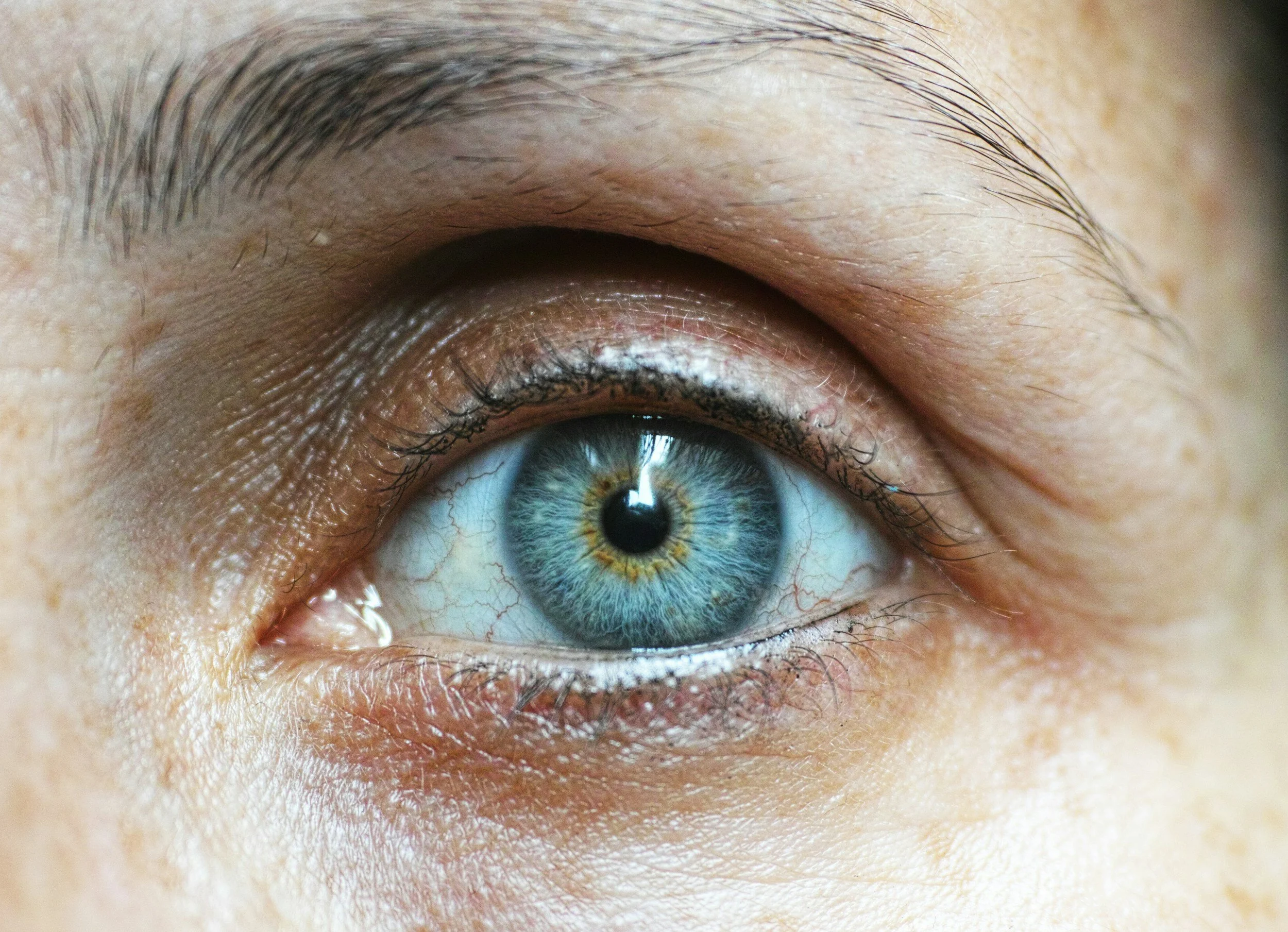
Dry, burning, gritty, or irritated eyes can be more than an occasional inconvenience. For some people, these symptoms signal dry eye disease, which can affect comfort, vision, and everyday activities. Interestingly, dry eye doesn’t always feel “dry.” Excessive watering can also occur when irritation triggers a reflex tear response.
If your symptoms keep returning, knowing the underlying cause is a key step toward relief.
At Specialty Eye Consultants, we evaluate and treat dry eye and ocular surface concerns for patients throughout Reading, Wakefield, and Greater Boston.
What Is Dry Eye?
Healthy tears do much more than make your eyes feel wet. The tear film lubricates and protects the eye's surface while supporting clear, comfortable vision. Dry eye can develop when your eyes don’t produce enough tears, when tears evaporate too quickly, or when the tear film doesn’t function properly. Because dry eye has different causes, effective treatment starts with identifying what may be playing a role in your symptoms.
Common Symptoms of Dry Eye
Dry eye symptoms can vary from person to person and may include:
Burning or stinging
A gritty or sandy sensation
Redness
Watery eyes
Intermittent blurry vision
Sensitivity to light
Eye fatigue
Contact lens discomfort
An impression that something is stuck in the eye
Symptoms may become more noticeable after long periods of screen use, reading, driving, or spending time in dry or windy environments.
Why Are My Eyes Suddenly So Dry?
There isn’t one universal cause.
Age, medications, environmental conditions, contact lens wear, long periods of screen use, eyelid problems, tear-film abnormalities, or other eye and health conditions may influence dry eye. For many patients, different factors contribute at once. That’s why repeatedly reaching for over-the-counter drops might fail to address the underlying problem.
Can Screen Time Make Dry Eye Worse?
It can contribute to symptoms. When concentrating on a computer, phone, or tablet, people may blink less frequently or less completely. Blinking helps distribute the tear film across the eye's surface. If you spend much of your workday in front of a screen, remember to blink regularly and take visual breaks. The 20-20-20 rule can be a useful habit: approximately every 20 minutes, look at something about 20 feet away for 20 seconds.
Why Can Dry Eyes Make My Eyes Become Watery?
It seems contradictory, but watery eyes and dry eye can occur together. When the eye’s surface becomes irritated, it may trigger a rush of reflex tears. These tears can spill onto your cheeks without providing the steady lubrication your eyes need. Persistent watering therefore deserves an eye evaluation rather than automatically being dismissed as allergies or “too many tears.”
How Is Dry Eye Treated?
Treatment depends on the cause and severity of your symptoms.
Your eye doctor may recommend options such as:
Lubricating eye drops
Changes to eyelid hygiene
Prescription medications
Adjustments to contact lens use
Environmental or personal habit modifications
Treatment directed at eyelid or oil-gland dysfunction
In-office therapies for appropriate patients
Specialty Eye Consultants also offers IPL laser treatment for dry eye for appropriately selected patients.
An examination can help determine which options make sense for your particular type of dry eye rather than relying on a one-size-fits-all approach.
When Should You See an Eye Doctor for Dry Eyes?
Occasional mild dryness may improve with simple measures, but consider scheduling an eye examination if symptoms:
Occur frequently.
Interfere with reading or computer work.
Make contact lenses uncomfortable.
Cause persistent redness or irritation.
Affect the clarity of your vision.
Do not improve with over-the-counter lubricating drops.
Evaluate eye pain, significant light sensitivity, sudden vision changes, or severe redness promptly, as these symptoms may have causes beyond routine dry eye.
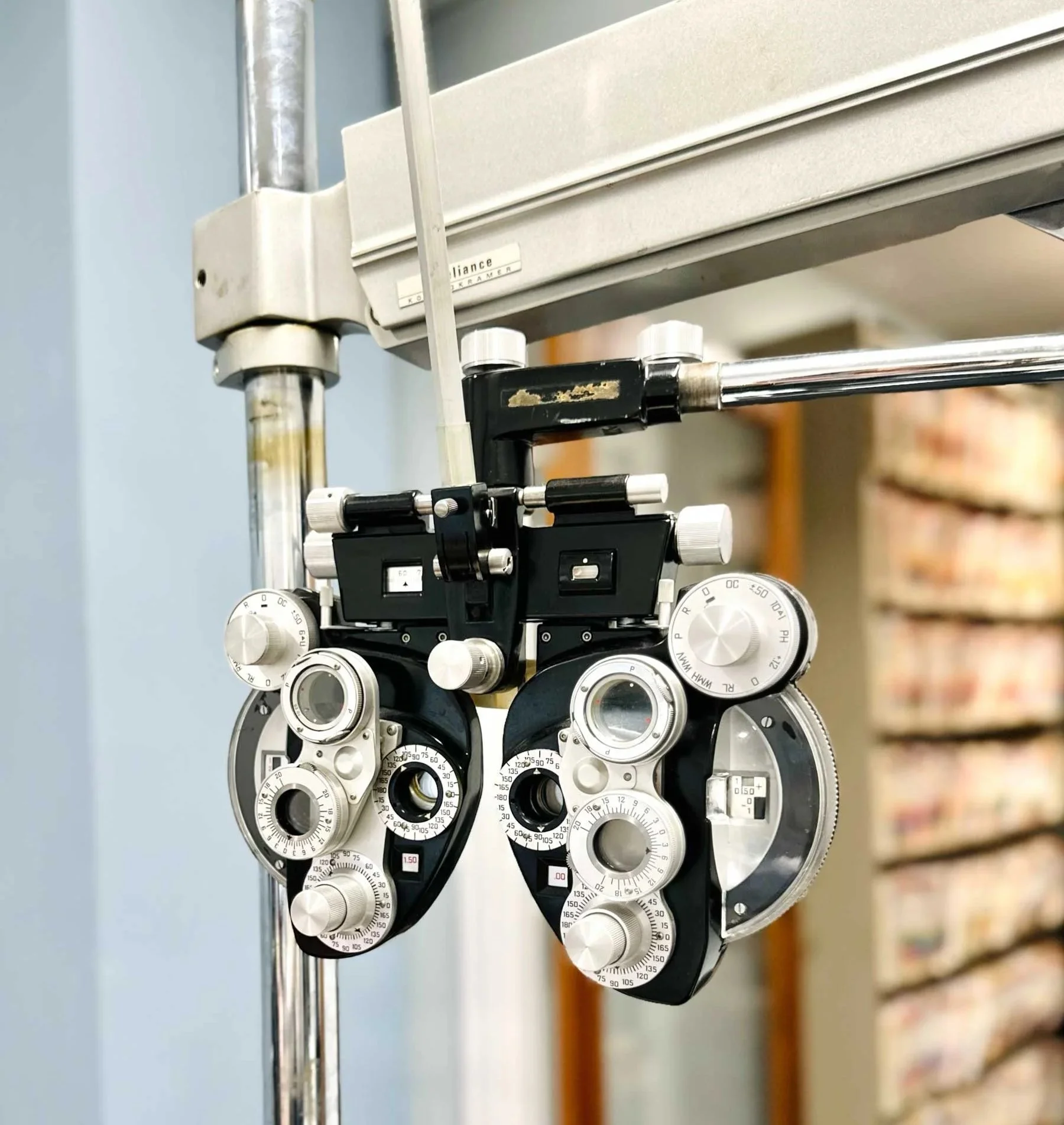
Dry Eye Care in Reading and Wakefield, MA
Specialty Eye Consultants provides comprehensive eye care for patients throughout Reading, Wakefield, North Reading, Stoneham, Melrose, Winchester, Burlington, Middlesex County, and surrounding Greater Boston communities.
Our goal is not simply to briefly mask uncomfortable symptoms. An extensive analysis can help identify factors leading to dry eye and guide a treatment plan based on your individual needs.
If dry, burning, watery, or irritated eyes have become part of your daily routine, they don’t have to be.
Contact Specialty Eye Consultants to schedule an eye evaluation and learn more about your dry eye treatment options.