
Back-to-School Vision Checklist: Protecting Your Child’s Eye Health This School Year
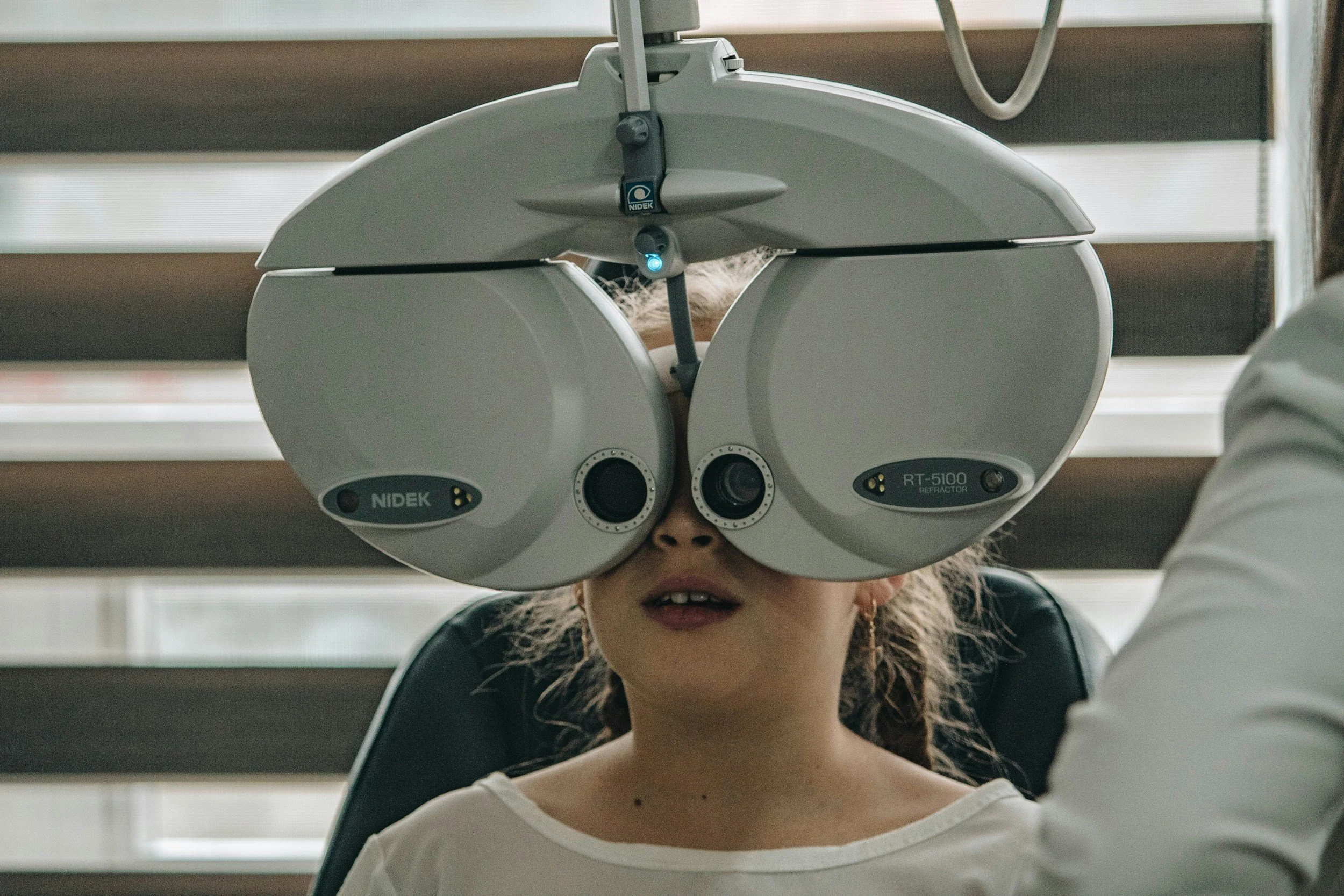
As summer comes to an end and families prepare for a new school year, parents often focus on school supplies, schedules, and extracurricular activities. But one of the most important items on every back-to-school checklist is often overlooked: a child’s vision health.
Clear vision plays an essential role in learning, reading, sports, and overall confidence in the classroom. Many children may not realize they are experiencing vision problems, and parents may not notice subtle changes until they begin affecting school performance.
A comprehensive eye exam before the school year begins can help ensure your child has the visual skills needed to succeed.
At Specialty Eye Consultants, our experienced eye care team provides comprehensive eye examinations and vision care for patients throughout Reading, Wakefield, North Reading, Stoneham, Melrose, Burlington, Winchester, and communities across Greater Boston.
Expert Pediatric Eye Care at Specialty Eye Consultants
When it comes to children’s vision, choosing an eye care provider with specialized training in pediatric eye health can make an important difference.
At Specialty Eye Consultants, families have access to Dr. Vicki Kvedar, M.D., a board-certified ophthalmologist specializing in general ophthalmology, pediatric ophthalmology, and oculoplastic surgery.
Dr. Kvedar provides comprehensive eye care for children and adults, with particular expertise in diagnosing and treating vision conditions that affect children’s development, learning, and overall quality of life. If you are looking for a children’s eye doctor near Boston, you have come to the right place.
Children’s eyes are constantly changing as they grow, and some eye conditions require specialized evaluation beyond a routine vision screening. Dr. Kvedar evaluates and treats a range of pediatric eye concerns, including:
Childhood vision problems
Eye alignment issues and strabismus (crossed or misaligned eyes)
Amblyopia (commonly known as “lazy eye”)
Pediatric eye health concerns
Comprehensive eye evaluations for children
Eyelid and tear duct conditions
By identifying and addressing vision problems early, pediatric ophthalmology care can help children develop the visual skills they need for school, sports, and everyday activities.
Back-to-School Vision Checklist for Parents
1. Schedule a Comprehensive Eye Exam
A school vision screening is helpful, but it does not replace a comprehensive eye examination.
School screenings typically check only basic visual acuity, such as whether a child can read letters from a distance. A comprehensive eye exam evaluates much more, including:
Near and distance vision
Eye alignment
Eye movement and coordination
Depth perception
Eye focusing ability
Overall eye health
A complete examination allows an eye doctor to identify vision problems that may not be detected during a school screening.
2. Watch for Signs of Vision Problems
Children do not always complain about vision difficulties. Parents should watch for signs that may indicate an eye problem, including:
Squinting
Sitting too close to the television
Holding books or devices very close
Frequent headaches
Covering one eye
Avoiding reading
Losing their place while reading
Difficulty concentrating
Complaints of blurry vision
Excessive eye rubbing
Poor hand-eye coordination
If you notice these signs, schedule an eye exam with an eye care professional.
3. Evaluate Screen Time Habits
Children spend more time than ever using digital devices for schoolwork, entertainment, and communication.
Extended screen use can contribute to digital eye strain, which may cause:
Dry eyes
Eye fatigue
Headaches
Blurred vision
Difficulty focusing
Help protect your child’s eyes with healthy screen habits:
Follow the 20-20-20 Rule
Every 20 minutes, encourage your child to look at something at least 20 feet away for 20 seconds.
Encourage Outdoor Time
Spending time outdoors has been associated with healthier visual development in children. Encourage regular outdoor activities when possible.
Create a Comfortable Workspace
Make sure your child’s study area has:
Good lighting
Proper screen distance
Comfortable posture
Minimal glare on screens
4. Update Eyeglasses and Contact Lenses
If your child wears glasses or contact lenses, make sure their prescription is up to date before school begins.
Children’s eyes can change quickly as they grow, and an outdated prescription may affect classroom performance and daily activities.
Make sure your child:
Wears glasses as prescribed
Keeps glasses clean and protected
Has a backup pair if needed
Follows proper contact lens hygiene
5. Protect Your Child’s Eyes During Sports
Sports are an important part of many children’s school experience, but eye injuries can occur during athletic activities.
Protective eyewear can reduce the risk of serious eye injuries during:
Basketball
Baseball
Hockey
Lacrosse
Racquet sports
Other contact or high-impact activities
Ask your eye doctor whether protective sports eyewear is recommended for your child’s activities.
6. Teach Healthy Eye Habits
Encourage children to develop habits that support lifelong eye health:
Wash hands before touching their eyes
Avoid rubbing their eyes excessively
Wear sunglasses outdoors
Take regular breaks from screens
Eat a balanced diet rich in fruits and vegetables
Tell an adult if they notice vision changes
Healthy habits started early can protect vision for years to come.
Common Childhood Vision Problems
Some common vision conditions that may affect children include:
Nearsightedness (Myopia)
Myopia causes distant objects to appear blurry and has become increasingly common among children.
Farsightedness (Hyperopia)
Hyperopia can make close-up tasks such as reading more difficult.
Astigmatism
Astigmatism occurs when the eye has an irregular shape that causes blurred vision.
Eye Coordination Problems
Some children experience difficulty with focusing, tracking, or using both eyes together. Early identification and treatment can help children develop stronger visual skills.
Schedule Your Child’s Back-to-School Eye Exam
As families prepare for a new school year, a comprehensive eye exam is an important part of ensuring children have the visual foundation they need to succeed.
Whether your child needs a routine vision evaluation, has concerns about reading or classroom performance, or requires specialized pediatric eye care, Specialty Eye Consultants provides expert care close to home.
With specialists like Dr. Vicki Kvedar, M.D., and a team of experienced ophthalmologists and optometrists, families throughout Reading, Wakefield, North Reading, Stoneham, Melrose, Burlington, Winchester, and Greater Boston can feel confident that their child’s vision is in expert hands.
Schedule a comprehensive eye exam today and help your child start the school year with clear, healthy vision.