
When Should You See an Ophthalmologist Instead of an Optometrist?
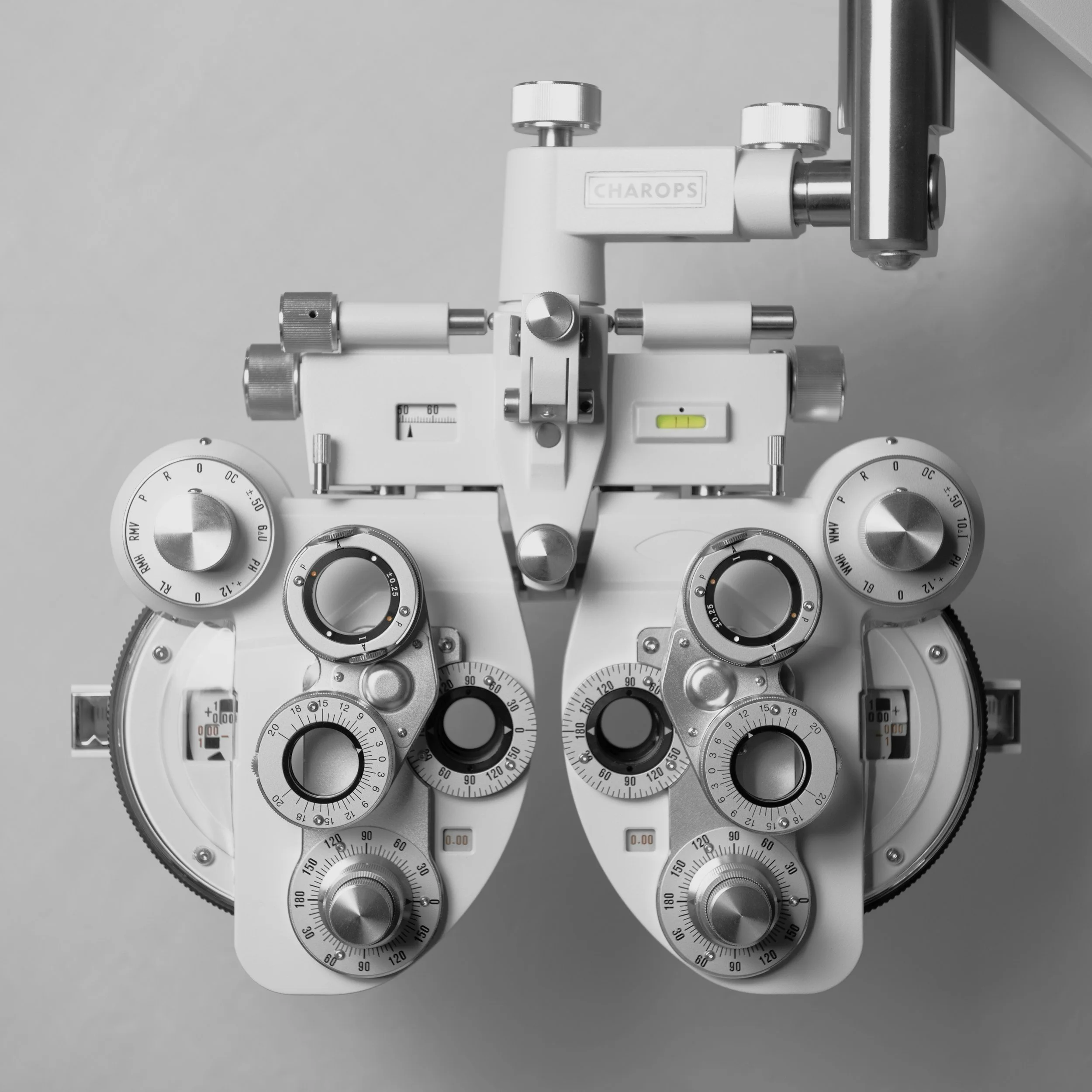
When you need eye care, you may wonder: Should I see an optometrist or an ophthalmologist? While both professionals play an important role in maintaining healthy vision, their education, training, and areas of expertise are different.
Choosing the right eye care provider depends on your individual needs. Routine vision care may be managed by an optometrist, while medical conditions, complex diagnoses, and surgical treatments require the expertise of an ophthalmologist.
At Specialty Eye Consultants, patients throughout Reading, Wakefield, North Reading, Stoneham, Melrose, Burlington, Winchester, and Greater Boston have access to a complete team of experienced ophthalmologists and optometrists who work together to provide comprehensive eye care.
What Is an Optometrist?
An optometrist is a doctor of optometry (OD) who specializes in primary vision care and many common eye conditions.
Optometrists typically provide:
Comprehensive eye exams
Vision testing
Eyeglass prescriptions
Contact lens fittings
Diagnosis and treatment of some eye conditions
Monitoring of chronic eye diseases
Preventive eye care
For many patients, an optometrist is the first stop for routine eye care. Regular eye examinations with an optometrist can help identify changes in vision and detect early signs of eye disease.
What Is an Ophthalmologist?
An ophthalmologist is a medical doctor (MD) who specializes in the health of the eye and visual system.
Unlike optometrists, ophthalmologists complete medical school, residency training, and additional specialty training focused on diagnosing and treating eye diseases and performing eye surgery.
Ophthalmologists provide:
Comprehensive medical eye evaluations
Diagnosis and treatment of eye diseases
Prescription medications
Laser treatments
Eye surgery
Emergency eye care
Management of complex eye conditions
Because ophthalmologists are trained physicians and surgeons, they are equipped to treat conditions that require advanced medical or surgical care.
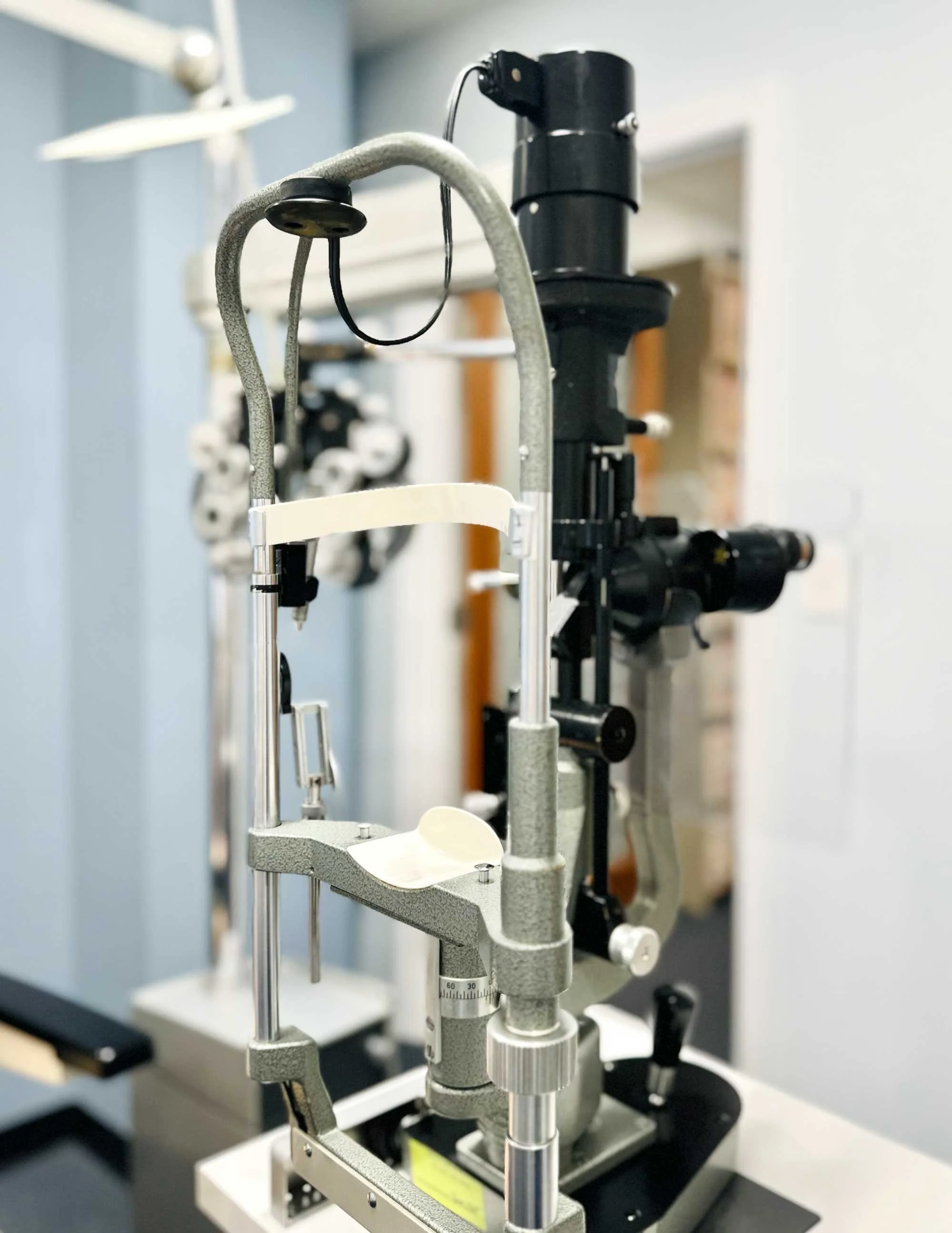
When Should You See an Ophthalmologist?
While routine eye exams are important, there are certain situations where seeing an ophthalmologist is especially important.
You Have Been Diagnosed With an Eye Disease
If you have been diagnosed with an eye condition such as glaucoma, cataracts, macular degeneration, diabetic eye disease, or a retinal disorder, an ophthalmologist can provide specialized evaluation and treatment.
These conditions often require ongoing monitoring and advanced diagnostic testing to protect your vision.
You Are Experiencing Changes in Your Vision
Schedule an appointment with an ophthalmologist if you notice:
Sudden blurry vision
Loss of vision
New flashes of light
A sudden increase in floaters
Distorted vision
Double vision
Difficulty seeing at night
Changes in vision can sometimes indicate a serious eye condition that requires prompt attention.
You Have Cataracts Affecting Your Daily Life
Cataracts are a common age-related condition that causes the eye's natural lens to become cloudy.
Symptoms may include:
Blurry or cloudy vision
Difficulty driving at night
Increased glare from headlights
Faded colors
Frequent changes in glasses prescriptions
An ophthalmologist can evaluate whether cataract surgery is appropriate and discuss available treatment options.
You Need Glaucoma Evaluation or Treatment
Glaucoma is one of the leading causes of irreversible blindness, often progressing without noticeable symptoms.
Patients with risk factors such as:
Family history of glaucoma
Elevated eye pressure
Increasing age
Previous abnormal eye tests
may benefit from evaluation by a glaucoma specialist.
At Specialty Eye Consultants, Dr. Mark A. Latina, M.D., is internationally recognized for his expertise in glaucoma care and for his pioneering work with Selective Laser Trabeculoplasty (SLT), a laser treatment used to help lower eye pressure in appropriate glaucoma patients.
You Have Diabetes
Diabetes can affect the small blood vessels in the retina, potentially leading to diabetic retinopathy and vision loss.
Patients with diabetes should have regular dilated eye examinations so changes can be detected and treated early.
You Need Eye Surgery
Only ophthalmologists perform eye surgery.
If you need procedures such as:
Cataract surgery
Glaucoma laser procedures
Other advanced surgical treatments
Can You See Both an Optometrist and an Ophthalmologist?
Yes. In fact, many patients benefit from seeing both.
Optometrists and ophthalmologists often work together as part of a coordinated eye care team.
For example:
An optometrist may perform routine vision exams and monitor overall eye health.
An ophthalmologist may provide specialized care for glaucoma, cataracts, retinal disease, or surgery.
Both providers may collaborate to ensure continuity of care.
This team-based approach allows patients to receive the right care at the right time.
Why Choose Specialty Eye Consultants for Your Eye Care?
Choosing an eye care practice with a broad range of expertise ensures that your vision needs can be addressed throughout every stage of life.
Specialty Eye Consultants provides:
Medical eye care
Glaucoma diagnosis and treatment
Advanced laser procedures
Management of retinal conditions
Dry eye evaluation and treatment
Personalized treatment plans
Our experienced physicians include specialists with expertise in complex eye diseases, allowing patients to receive advanced care close to home.
Comprehensive Eye Care Serving Reading and Greater Boston
Specialty Eye Consultants proudly serves patients throughout:
Reading, MA
Wakefield, MA
North Reading, MA
Stoneham, MA
Melrose, MA
Burlington, MA
Winchester, MA
Surrounding Middlesex County communities
Whether you need a routine eye examination, a second opinion, or treatment for an eye condition, our team is dedicated to protecting your vision with compassionate, expert care.
Schedule an Appointment With Specialty Eye Consultants
If you are unsure whether you should see an optometrist or an ophthalmologist, our team can help guide you toward the right level of care.
Regular eye examinations are one of the most important steps you can take to protect your vision. Contact Specialty Eye Consultants today to schedule a comprehensive eye exam and experience the difference of personalized ophthalmology care.